From Landlord to Token-Lord: How Real Estate Tokenization is Killing the $1M Entry Barrier
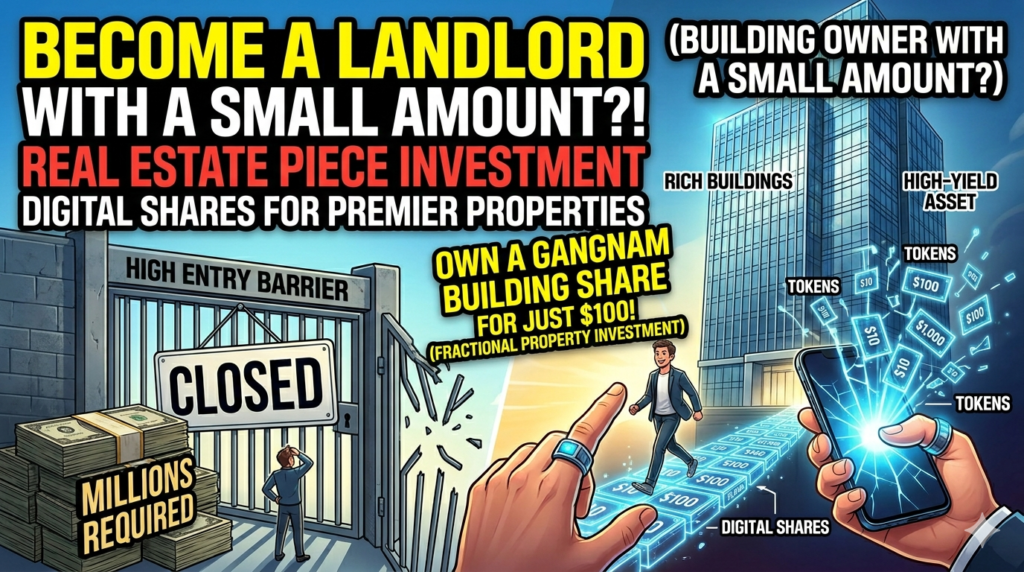
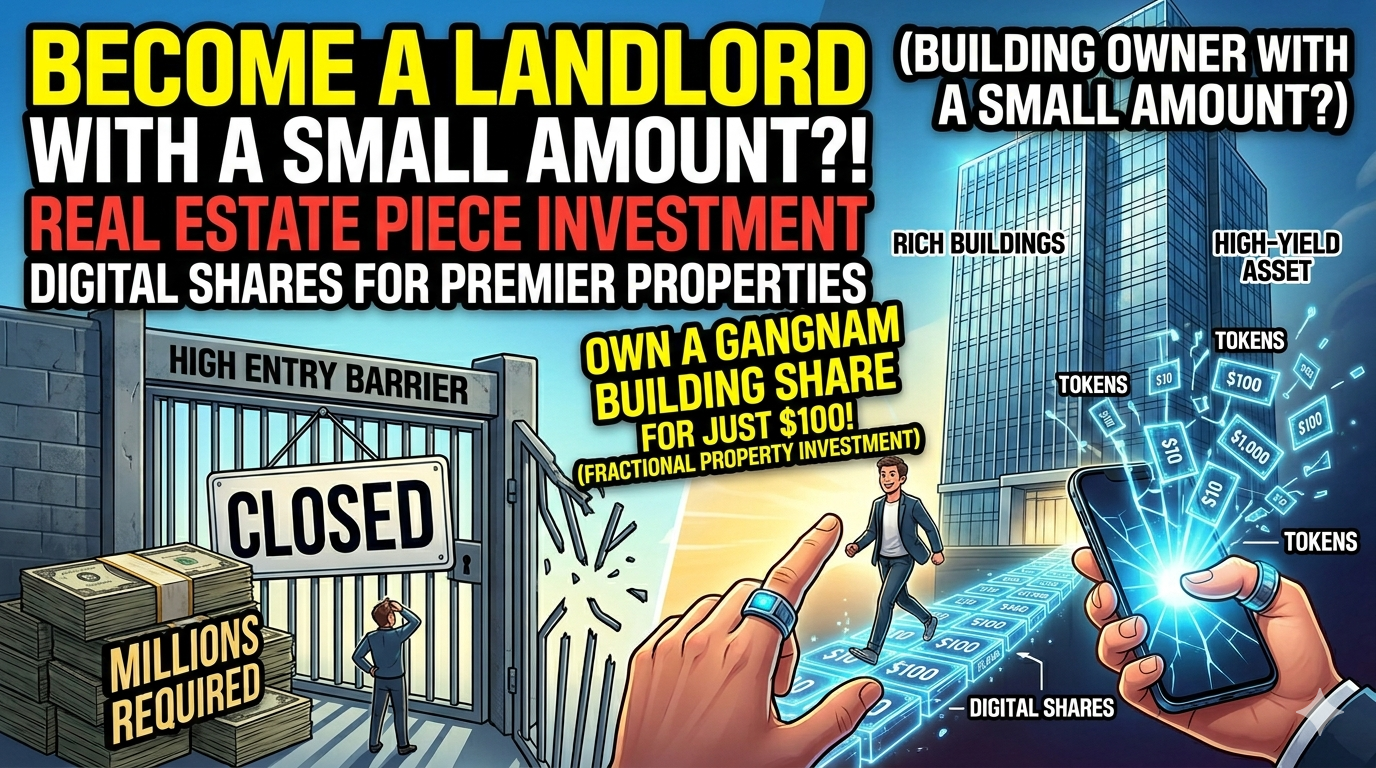
The era of saving for thirty years just to afford a down payment is officially dead. Through Real Estate Tokenization, the fortress of commercial property investment—once guarded by institutional gatekeepers and multi-million dollar price tags—has been breached by blockchain technology. Today, becoming a “building owner” doesn’t require a massive loan; it requires the price of a dinner for two.
Key Takeaways
- Democratized Access: Invest in high-yield commercial assets with as little as $50–$100.
- Instant Liquidity: Unlike traditional sales that take months, tokens can be traded on secondary markets 24/7.
- Transparent Yields: Smart contracts automate rent distribution directly to your digital wallet, eliminating human error and middleman fees.
- Global Diversification: Own a fraction of a London warehouse, a Seoul office tower, and a Miami luxury condo simultaneously.
1. The Digital Metamorphosis: What is Real Estate Tokenization?
At its core, Real Estate Tokenization is the process of converting a physical property’s value into a series of digital “security tokens” on a blockchain (typically Ethereum or Polygon). Each token represents a fractional share of the underlying asset, including its deed, rental income, and capital appreciation rights.
According to Bloomberg Intelligence, the market for tokenized real-world assets (RWAs) is projected to swell into a $16 trillion industry by 2030. This isn’t just a trend; it is the fundamental re-architecting of how the world owns value.
How the “Smart Contract” Replaces the Lawyer
In traditional real estate, you need a notary, an attorney, and an escrow agent to verify a transaction. In the world of tokenization, the Smart Contract—a self-executing line of code—holds the rules of the investment. When the tenant pays rent, the code automatically calculates your percentage and sends it to your wallet. No invoices, no waiting, no “lost in the mail.”
2. Why Tokenization Beats Traditional REITs and Direct Ownership
Many beginners confuse tokenization with REITs (Real Estate Investment Trusts). While both offer fractional exposure, tokenization provides a level of granularity and control that REITs cannot match.
Direct Selection vs. Index Investing
When you buy a REIT, you are buying a “basket” of properties managed by a corporation. You have no say in which buildings are bought or sold. With tokenization, you can choose the specific building at 5th Avenue, NYC. You are the sovereign owner of a specific piece of dirt and steel.
The Comparison Matrix
| Feature | Traditional Ownership | REITs | Real Estate Tokenization |
| Minimum Investment | $100,000+ (Downpayment) | $500 – $5,000 | $50 – $100 |
| Liquidity | Very Low (Months to sell) | High (Stock Market) | High (24/7 DEX/CEX) |
| Transparency | Low (Private records) | Moderate (Quarterly reports) | High (Real-time Blockchain) |
| Transaction Costs | 5-10% (Broker/Legal) | 1-3% (Management fees) | <1% (Gas fees/Platform) |
| Ownership Control | Full | None | Proportional (Voting Rights) |
3. The “Vital Guide” Strategy: Building a Recession-Proof Portfolio
Investing in tokenized property isn’t just about picking a cool-looking building. To align with YMYL (Your Money Your Life) standards, you must approach this with the rigor of a hedge fund manager.
Step 1: The Geography of Yield
Don’t put all your tokens in one city. Use the low entry cost to hedge against local economic downturns.
- Core Assets: Stable office buildings in “Tier 1” cities (e.g., Tokyo, New York). Lower risk, steady 4-6% yield.
- Value-Add Assets: Residential complexes in emerging tech hubs (e.g., Austin, Vietnam). Higher risk, potential for 12%+ capital appreciation.
Step 2: Vetting the “Oracle”
In blockchain, an “Oracle” connects real-world data to the code. Ensure the platform you use—such as RealT, Lofty, or Republic—uses reputable third-party property managers and independent appraisers. If the platform is the only one verifying the building’s value, it’s a red flag.
4. Safety, Security, and Mental Wealth
Financial stress is a leading contributor to poor health. As highlighted by Harvard Health Publishing, financial stability is a core pillar of “Environmental Health.” Real estate has historically been the best hedge against inflation, providing the peace of mind that a volatile crypto-coin cannot.
Is it Legal? (The STO Framework)
Unlike the “ICO craze” of 2017, modern real estate tokens are classified as Security Token Offerings (STOs). They are regulated by bodies like the SEC (USA) or FSC (South Korea). This means you have legal recourse. Your tokens are backed by an SPV (Special Purpose Vehicle) or a trust that legally owns the title to the land.
5. Future Outlook: The Internet of Houses
We are moving toward a world where your digital wallet will show a diversified list of assets:
- 0.05% of a Tesla Megapack (Energy income)
- 0.001% of the Empire State Building (Rental income)
- 2% of a local organic farm (Commodity income)
This “composable finance” allows you to use your property tokens as collateral for a loan instantly, without ever stepping into a bank.
6. Common Pitfalls for Beginners
- Gas Fees: On networks like Ethereum, the cost to “mint” or “transfer” your token might be $20. If you only invest $50, you’ve lost 40% of your capital immediately. Look for platforms using Layer 2 solutions like Polygon or Base.
- Platform Risk: The building might be real, but if the website/platform goes bankrupt, retrieving your digital deed can be a technical nightmare. Always choose platforms with “On-chain Governance.”
- The “Shiny Building” Syndrome: Don’t invest just because the building looks beautiful. Check the Net Operating Income (NOI) and the length of the current lease agreements.
Conclusion: Take Your Place at the Table
The democratization of real estate is the greatest wealth-transfer opportunity of our generation. You no longer need to be a millionaire to think like one. By leveraging tokenization, you are not just “buying crypto”; you are acquiring a hard asset that pays you while you sleep.
Your Action Plan for This Week:
- Research: Visit three major STO platforms and compare their fee structures.
- Verify: Check if their latest offering has an independent audit report.
- Start Small: Invest an amount you would usually spend on a weekend out. Watch the rental dividends hit your wallet in real-time.
Ready to bridge the gap between “Renter” and “Owner”?
[Subscribe to Vital Guide’s Alpha Newsletter] – Get exclusive early access to vetted tokenized properties and deep-dive technical audits before they hit the retail market. Don’t just watch the future happen; own a piece of it.